Robin
Irish name: Spideog
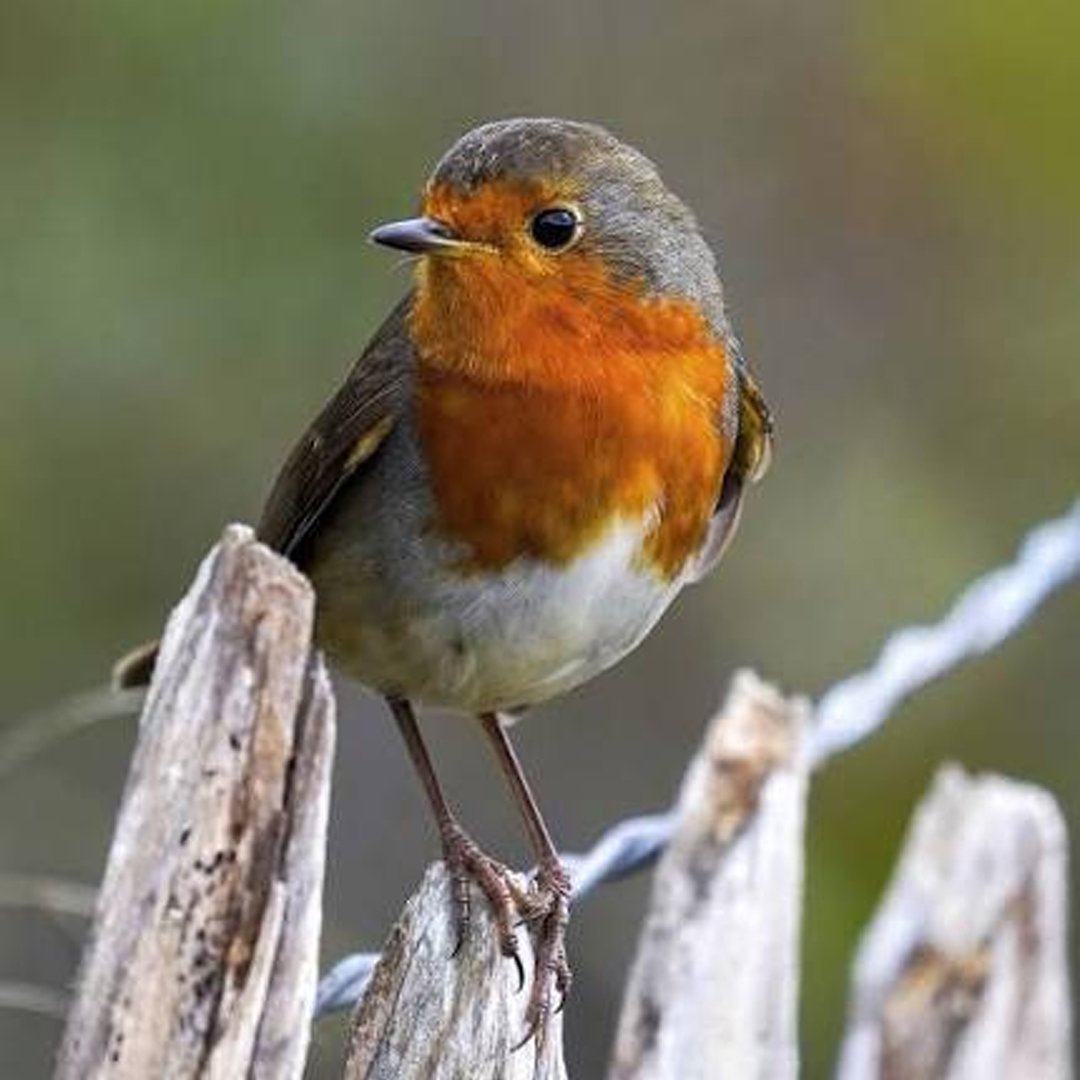
One of Ireland's best-known garden birds, the Robin is instantly recognisable by its bright orange-red breast.
Robins are often seen around lawns, borders and feeding areas and can be surprisingly confident around people.
Look for: Orange-red breast, brown upperparts and upright posture.
Food: Insects, seeds and fruit.
Garden Tip: Seed, seed cake and suitable supplementary food can attract Robins.
Blackbird
Irish name: Lon Dubh
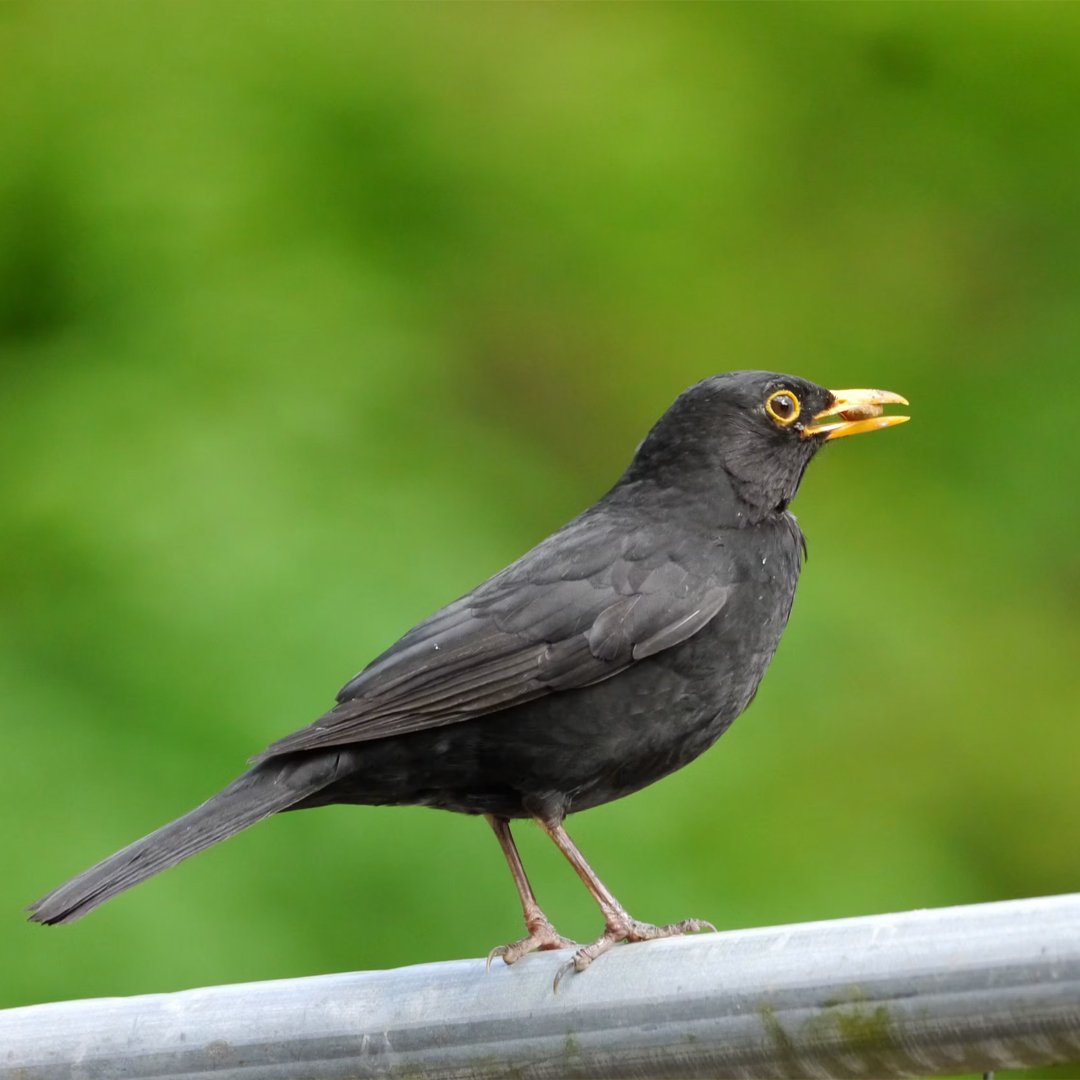
Blackbirds are familiar visitors to gardens throughout Ireland. They often spend time feeding on lawns and searching through leaf litter for earthworms and other food.
Look for: Dark plumage in males, brown plumage in females and a long tail.
Food: Earthworms, insects, fruit and berries.
Garden Tip: Leave some natural ground cover and provide suitable supplementary food.
Blue Tit
Irish name: Meantán Gorm
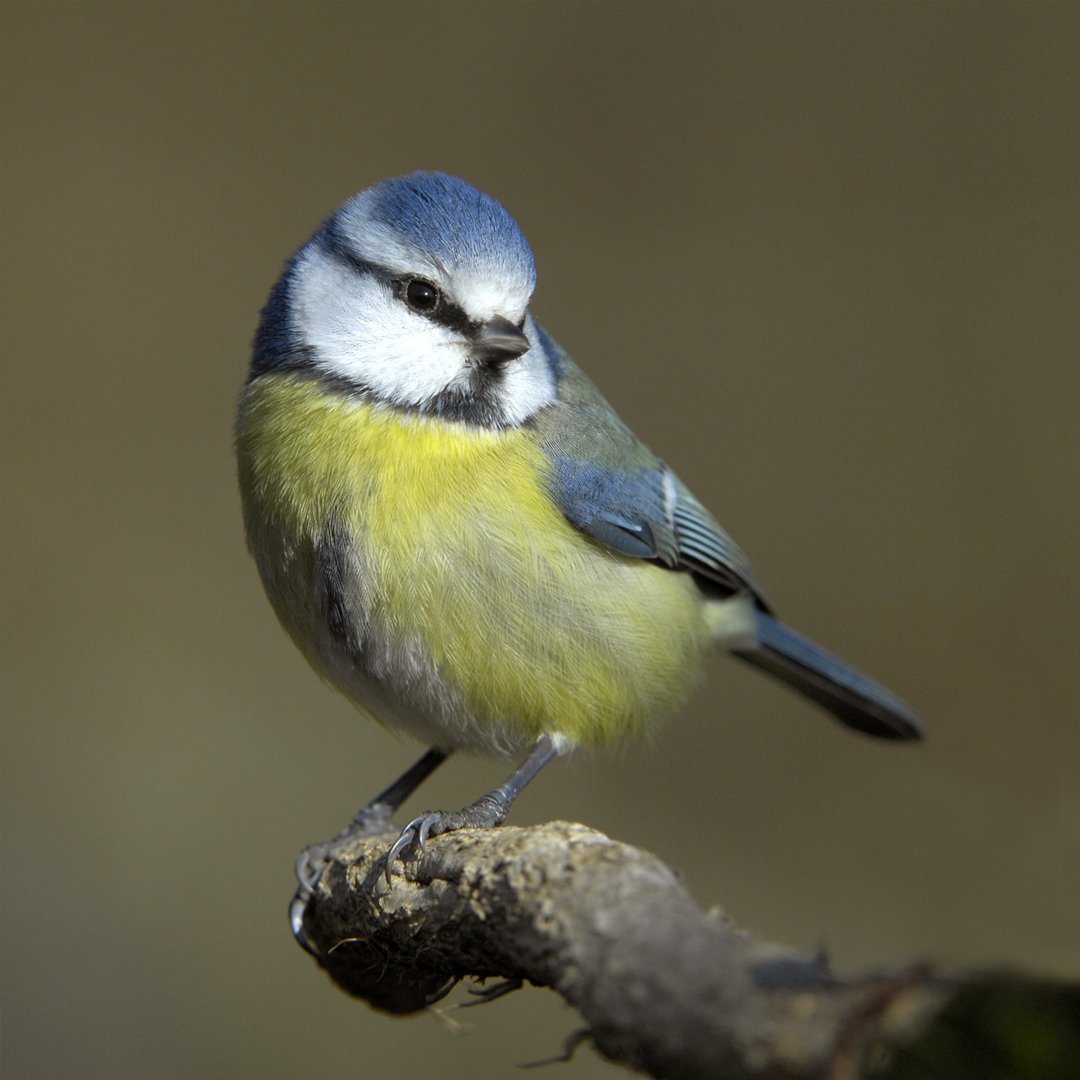
Small, colourful and energetic, Blue Tits are regular visitors to garden feeders and are also well known for using nest boxes.
Look for: Blue crown, yellow breast, white cheeks and dark eye stripe.
Food: Insects, spiders, seeds and other suitable supplementary foods.
Garden Tip: Blue Tits readily use suitable hole-entrance nest boxes.
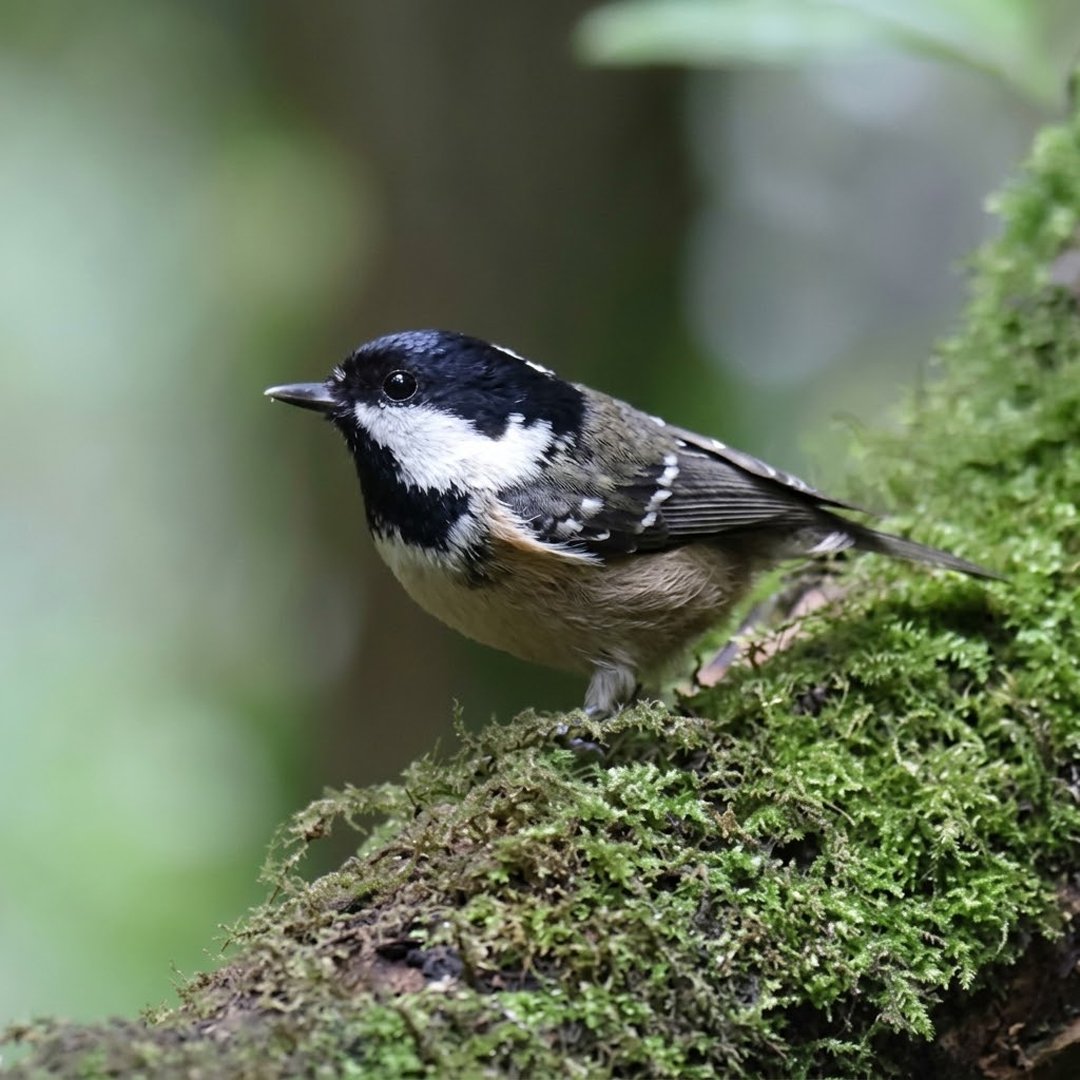
Great Tit
Irish name: Meantán Mór
The Great Tit is one of Ireland's familiar tit species. It is slightly larger than the Blue Tit and can often be seen around feeders and gardens.
Look for: Black head, white cheeks and yellow breast with a distinctive black stripe.
Food: Insects, seeds, berries and fruit.
Garden Tip: Peanuts, seed and seed cakes can attract Great Tits.
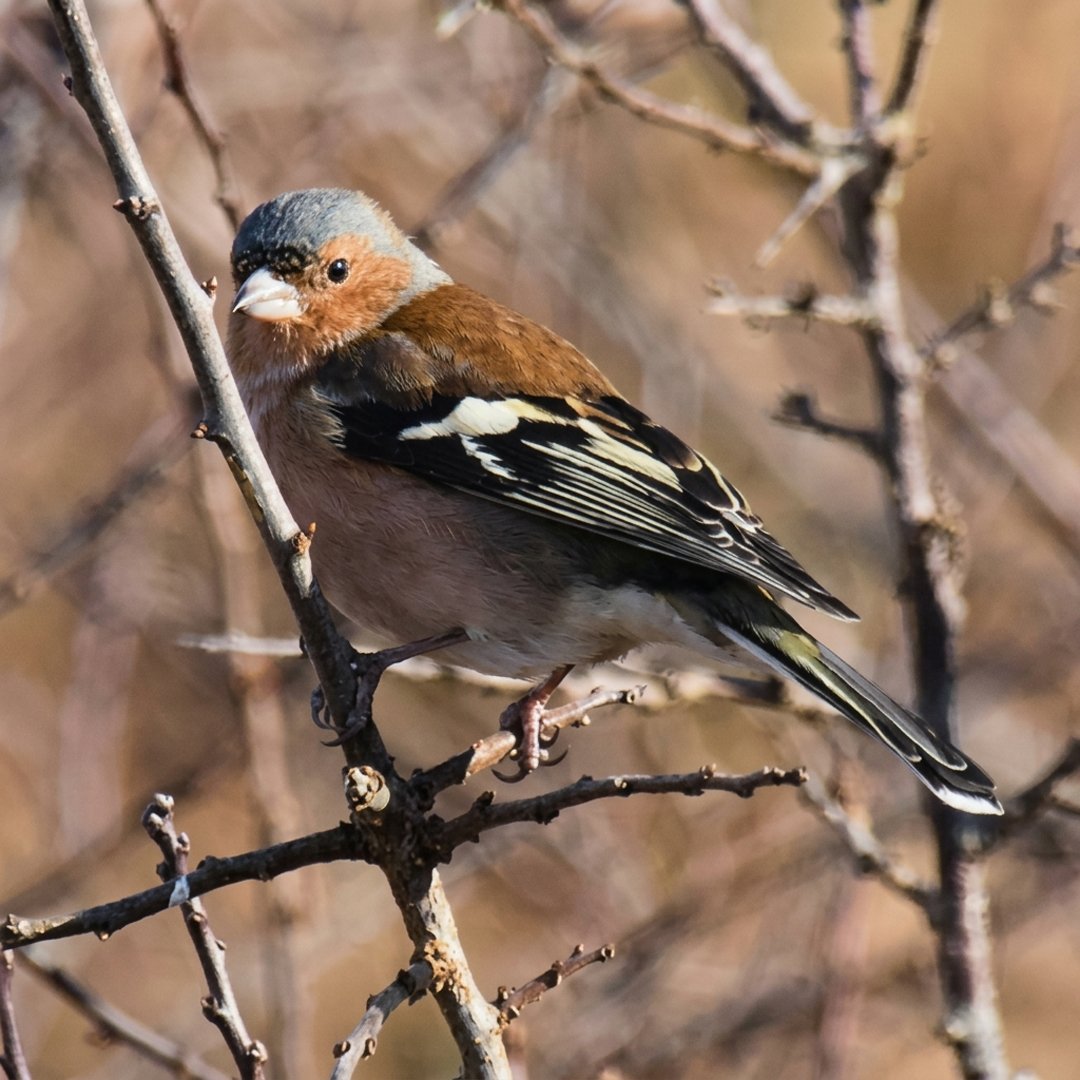
Chaffinch
Irish name: Rí Rua
Chaffinches are widespread in Ireland and can be found in gardens, woodland and hedgerows. They are often seen feeding on the ground underneath bird tables and feeders.
Look for: Pinkish-orange breast on males, brown colouring on females and prominent white wing markings.
Food: Seeds, insects, berries and fruit.
Garden Tip: Look on the ground below feeders for Chaffinches searching for fallen food.
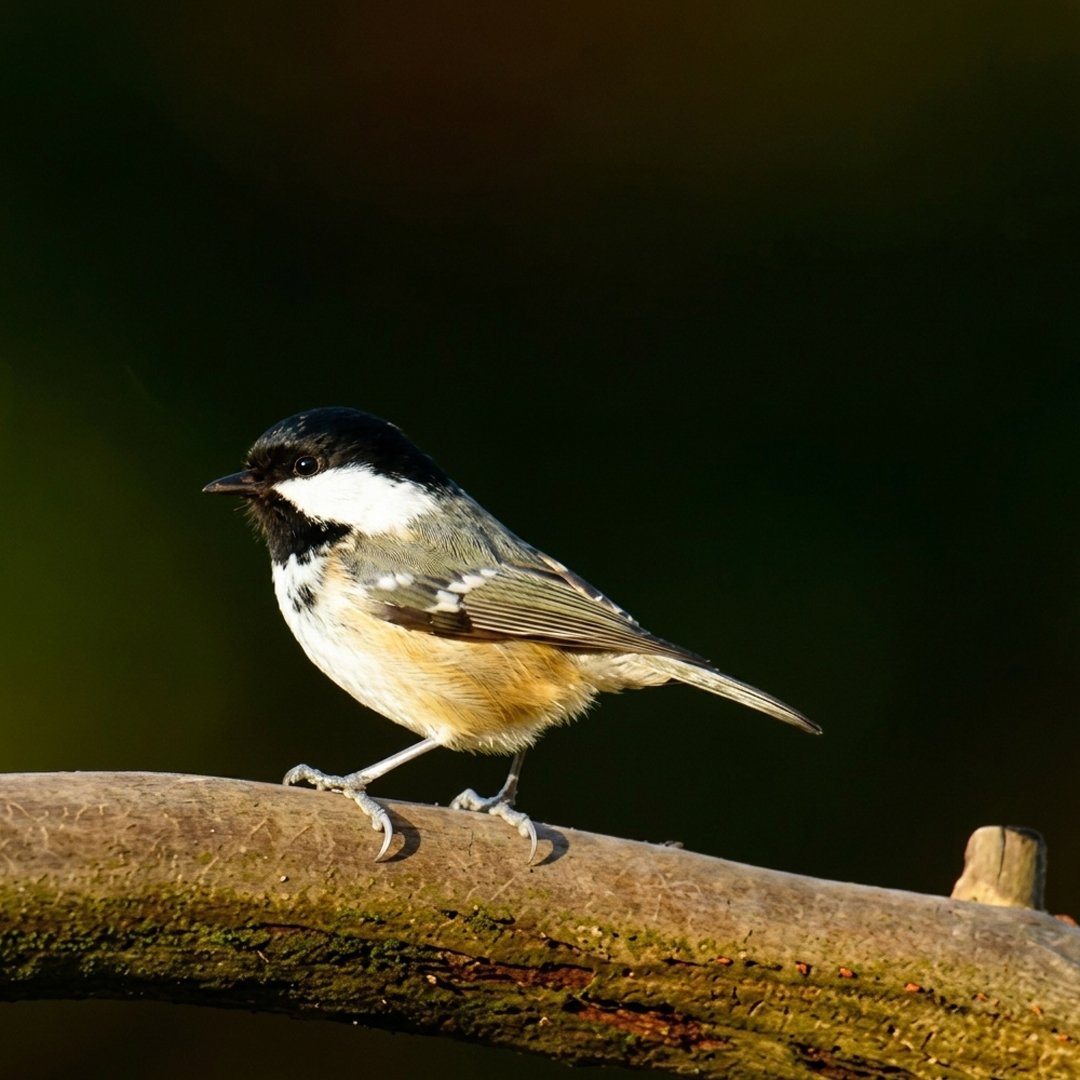
Coal Tit
Irish name: Meantán Dubh
The Coal Tit is a small woodland-loving bird that can also become a regular visitor to garden feeders.
Look for: Black head, pale cheeks and distinctive white patch on the back of the neck.
Food: Insects, spiders, seeds and peanuts.
Garden Tip: Coal Tits may visit feeders offering seed, seed cake and peanuts.
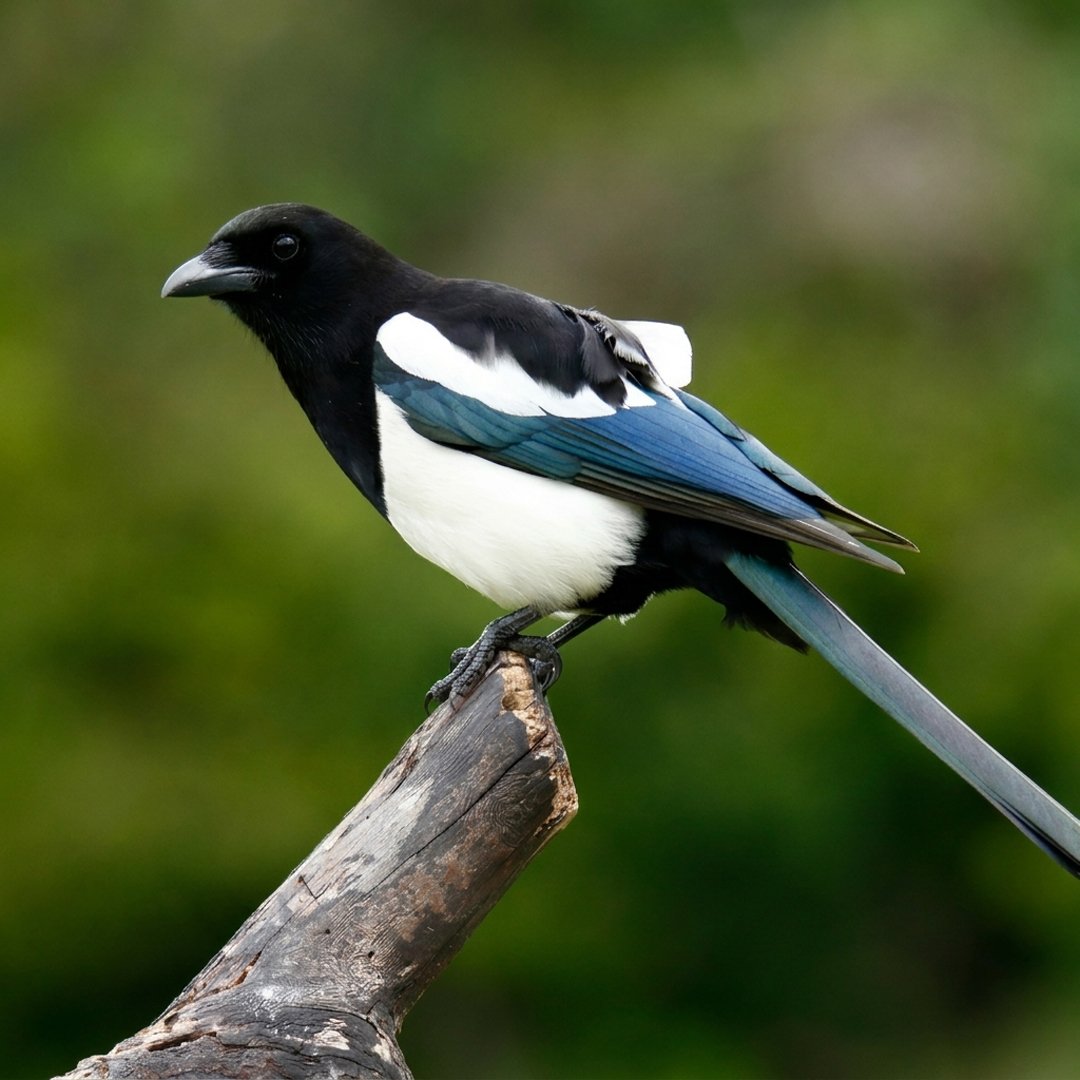
Magpie
Irish name: Snag Breac
The Magpie is an adaptable bird found throughout Ireland. Its striking black-and-white plumage and long tail make it easy to recognise.
Look for: Black-and-white plumage, long wedge-shaped tail and blue-green sheen.
Food: A varied diet including insects, fruit and other available food.
Garden Tip: Magpies are highly adaptable and can be found in both rural and urban gardens.
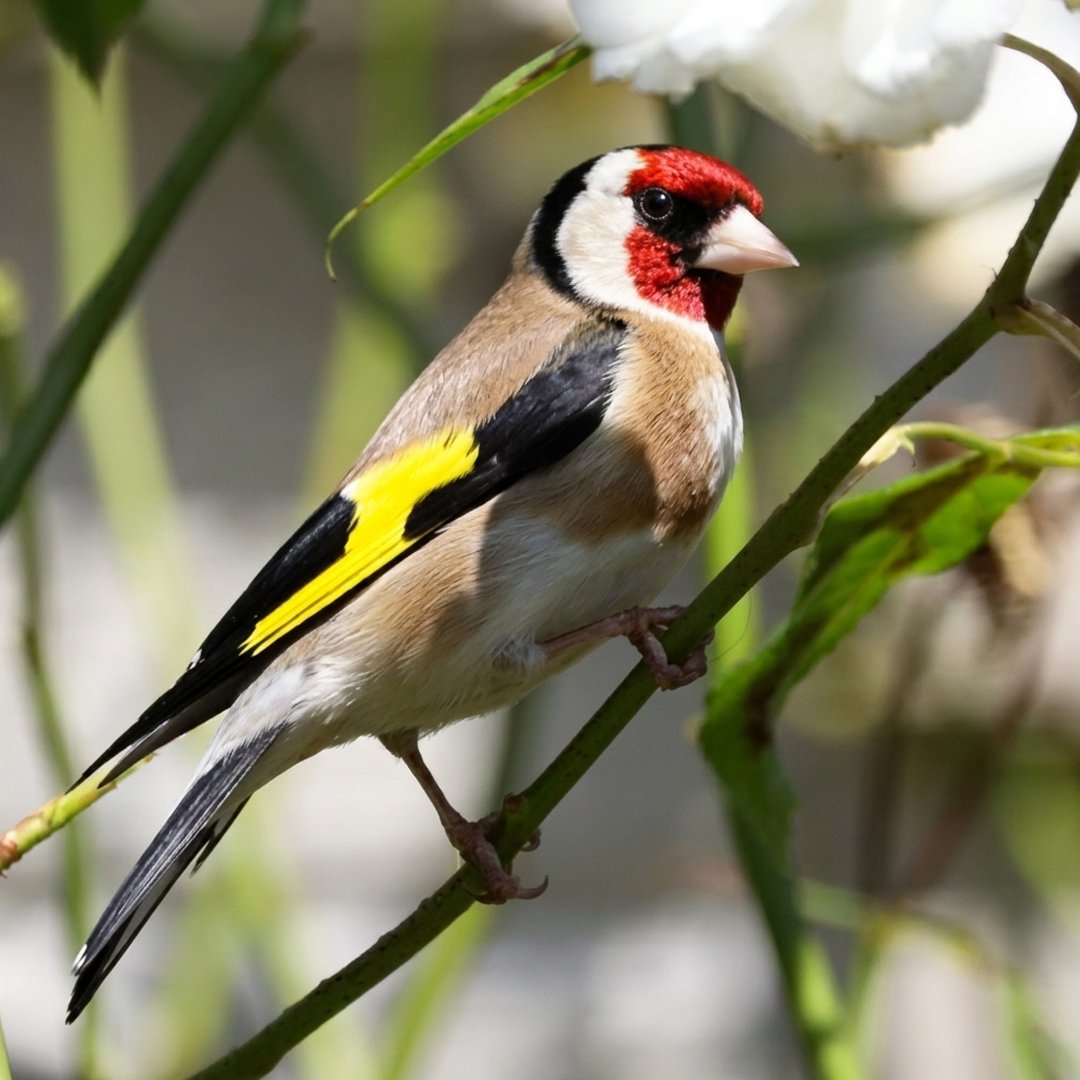
Goldfinch
Irish name: Lasair Choille
One of Ireland's most striking garden birds, the Goldfinch is recognisable by its bright yellow wing markings and red face.
Look for: Red face, yellow-and-black wings and pale brown back.
Food: Seeds, particularly those of thistles and other seed-bearing plants.
Garden Tip: Goldfinches are often attracted to seed feeders and Nyjer seed.
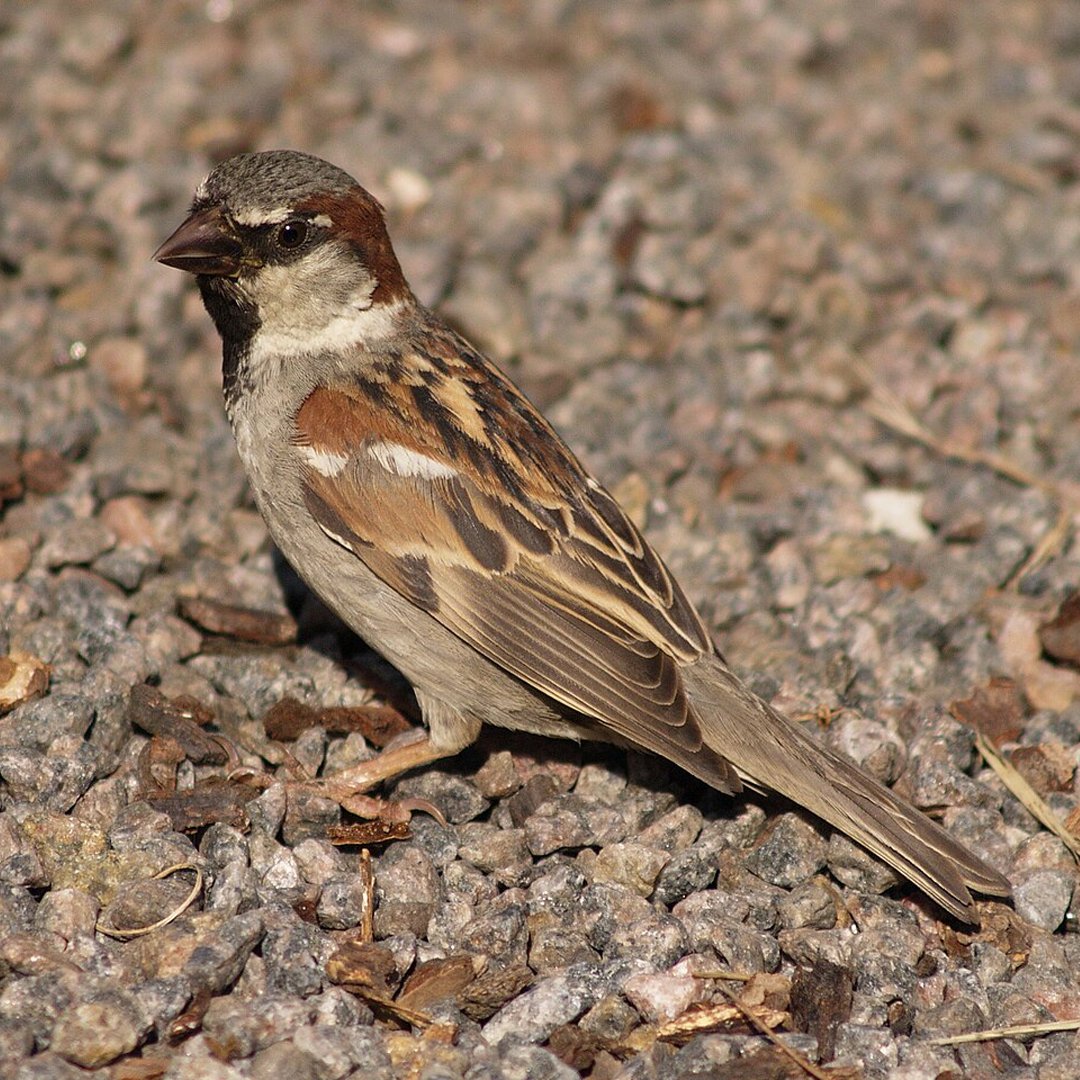
House Sparrow
Irish name: Gealbhan Binne
A familiar companion to people for centuries, House Sparrows are social birds that often appear in groups around gardens and buildings.
Look for: Males have distinctive darker markings; females are more uniformly brown.
Food: Seeds and other suitable supplementary foods.
Garden Tip: Providing food and natural cover can make gardens more useful to these familiar birds.
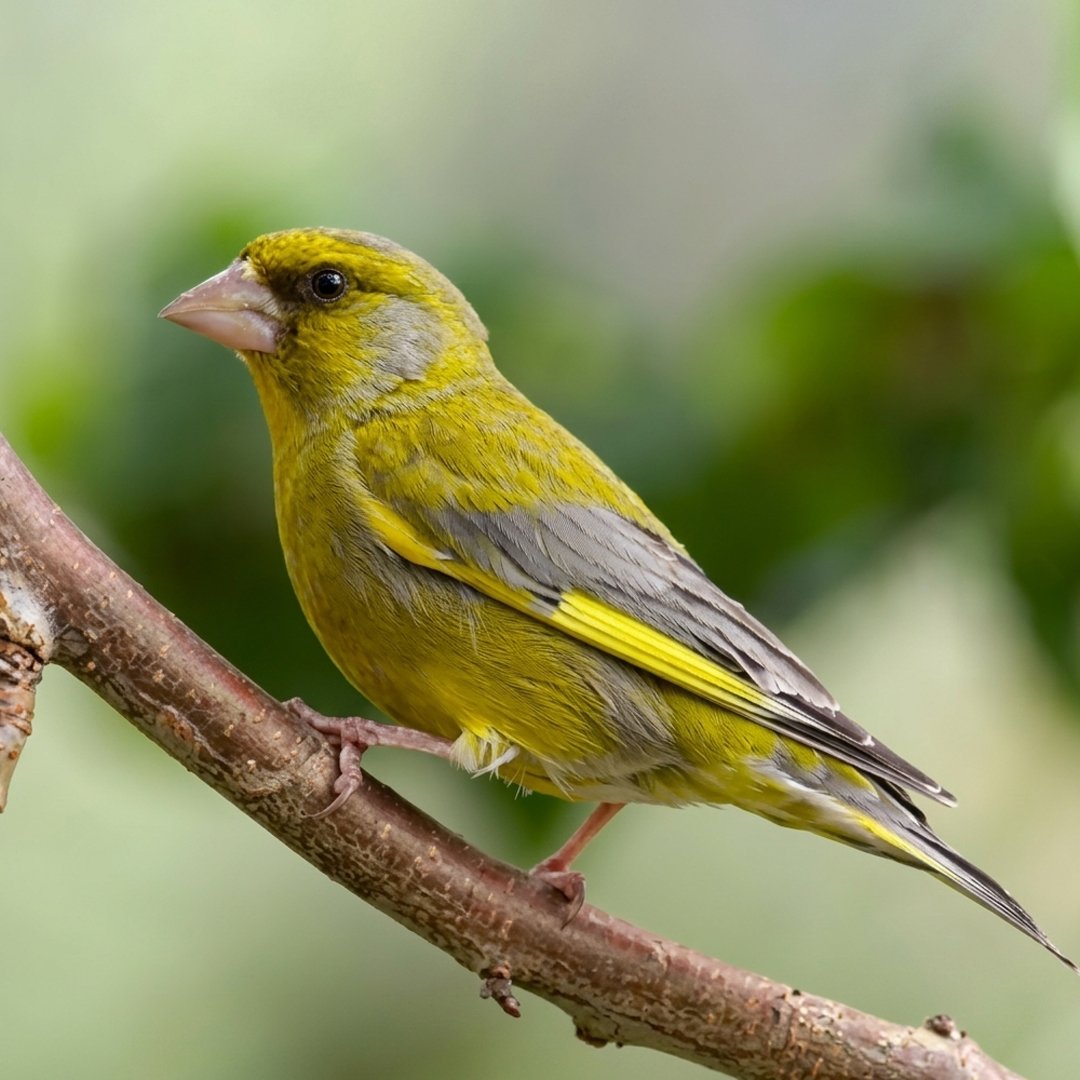
Greenfinch
Irish name: Glasán Darach
Greenfinches are seed-eating birds that can often be found around gardens, farmland and suburban areas.
Look for: Yellow-green colouring and bright yellow markings on the wings and tail.
Food: Seeds, peanuts and seed cake.
Garden Tip: Watch for their distinctive undulating flight and flashes of yellow and green.
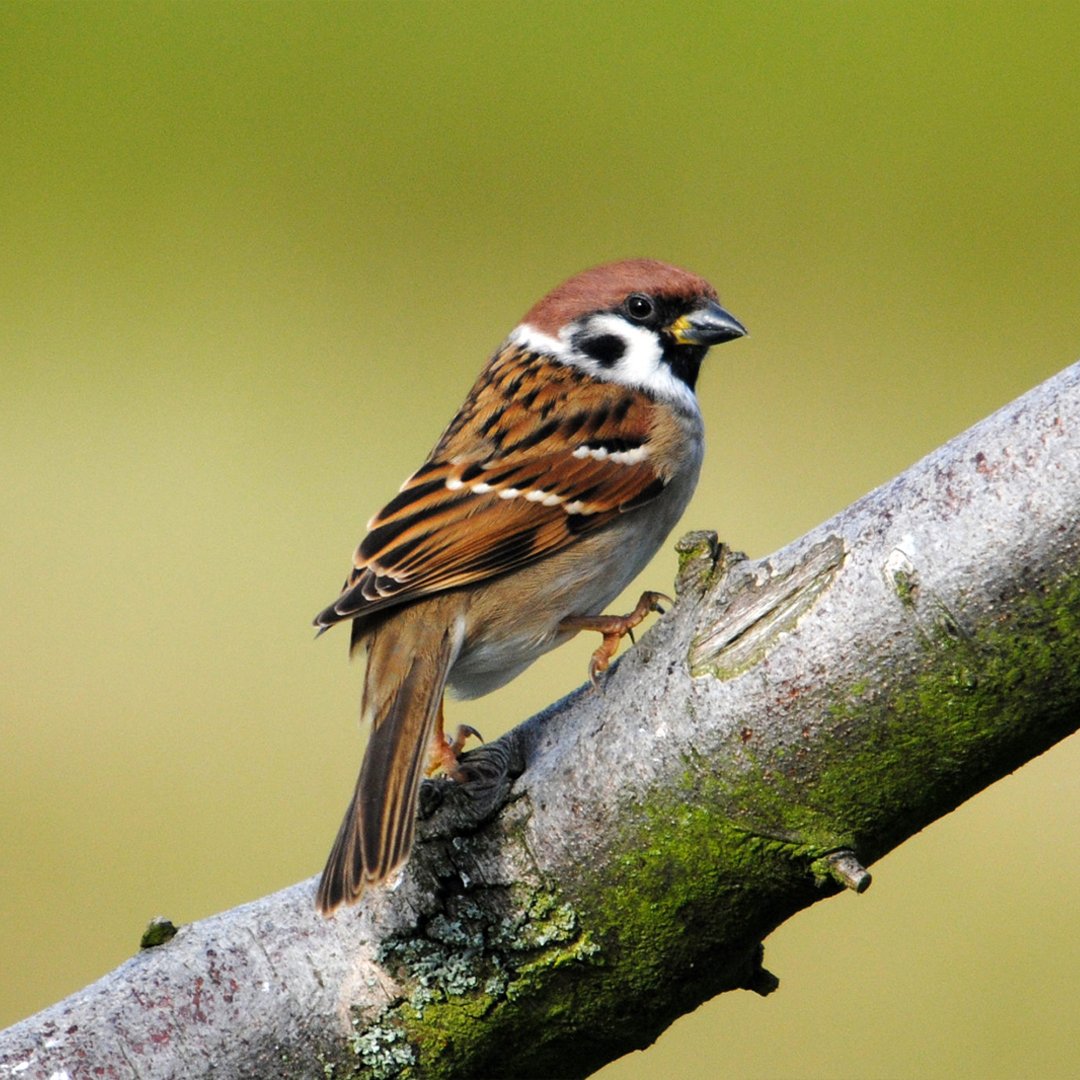
Dunnock
Also known as : Hedge Sparrow
The Dunnock is a quiet, understated garden visitor that spends much of its time close to the ground, particularly around hedges, shrubs and feeding areas.
Look for: Brown streaked back, greyish underside and thin pointed bill.
Food: Insects and seeds.
Garden Tip: Look beneath bushes and feeders for Dunnocks searching for food.
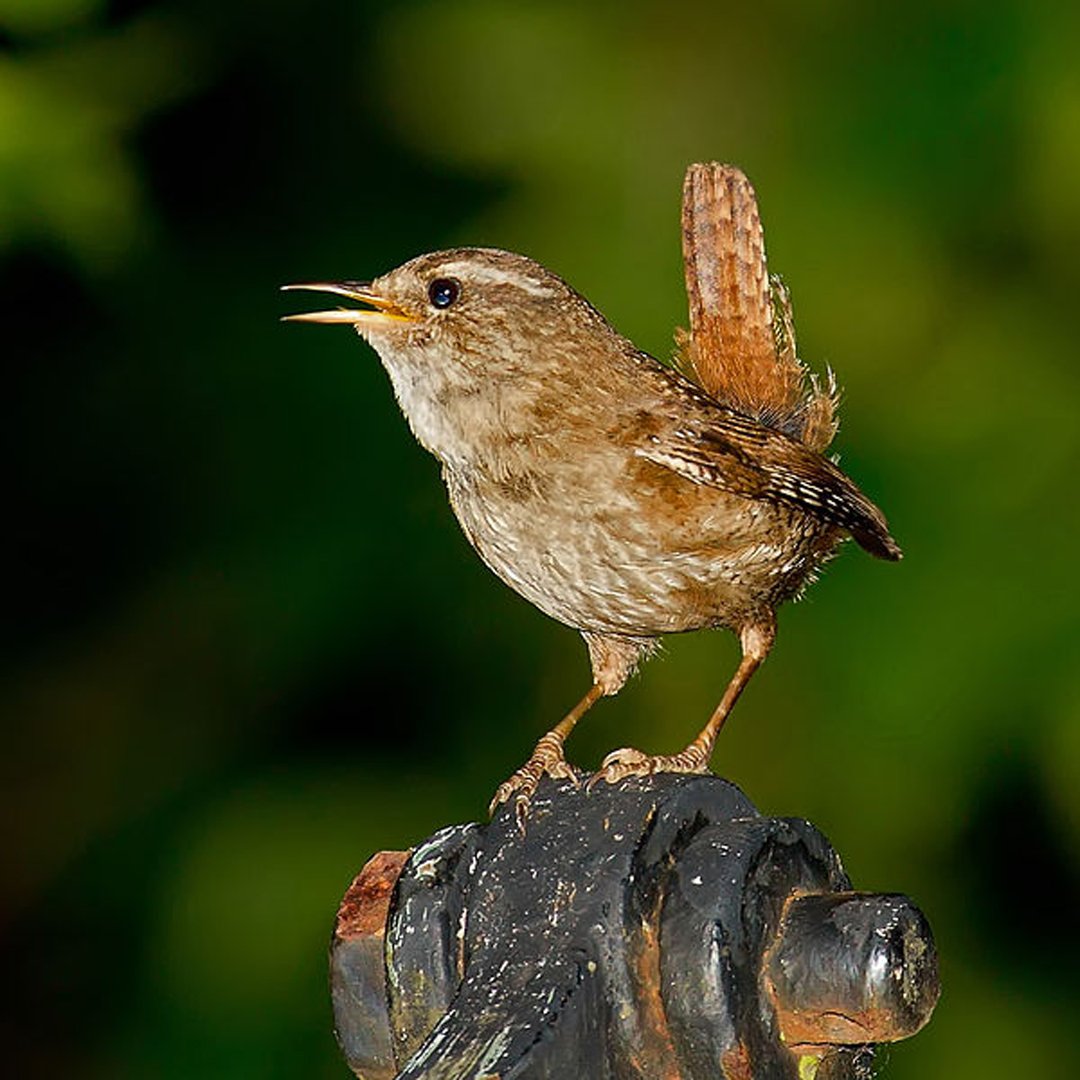
Wren
Irish name: Dreoilín
Tiny but remarkably vocal, the Wren is one of Ireland's smallest birds and one of the loudest for its size.
Look for: Tiny brown body, short wings and characteristically raised tail.
Food: Insects and spiders.
Garden Tip: Dense hedges, shrubs and natural cover can provide valuable shelter.
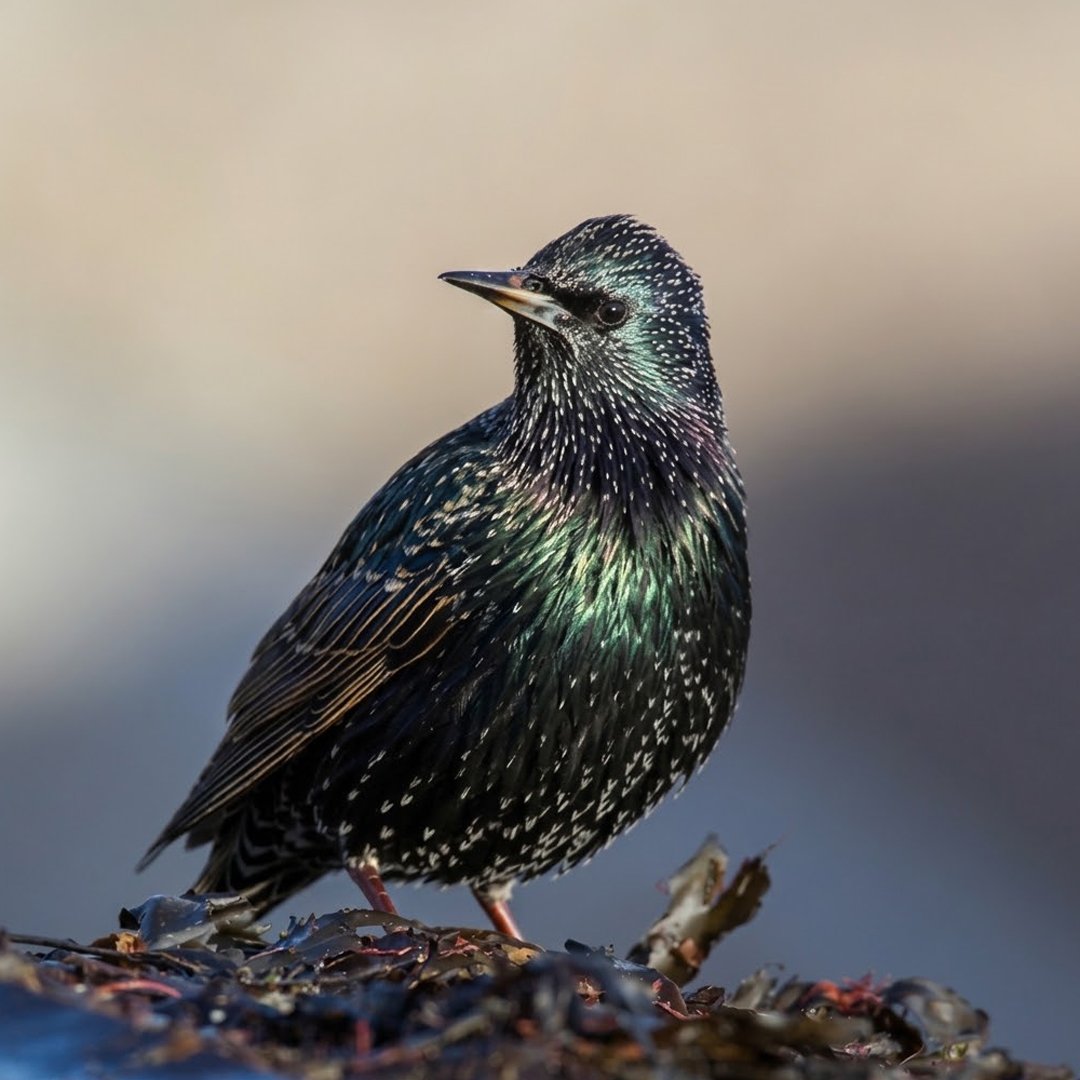
Starling
Irish name: Druid
Starlings are social birds that can gather in impressive numbers. Their dark plumage can show beautiful colours and spotting when viewed closely.
Look for: Dark glossy plumage with pale spotting, particularly in winter.
Food: Insects, berries and seeds.
Garden Tip: Starlings often feed on the ground and may visit gardens in groups.
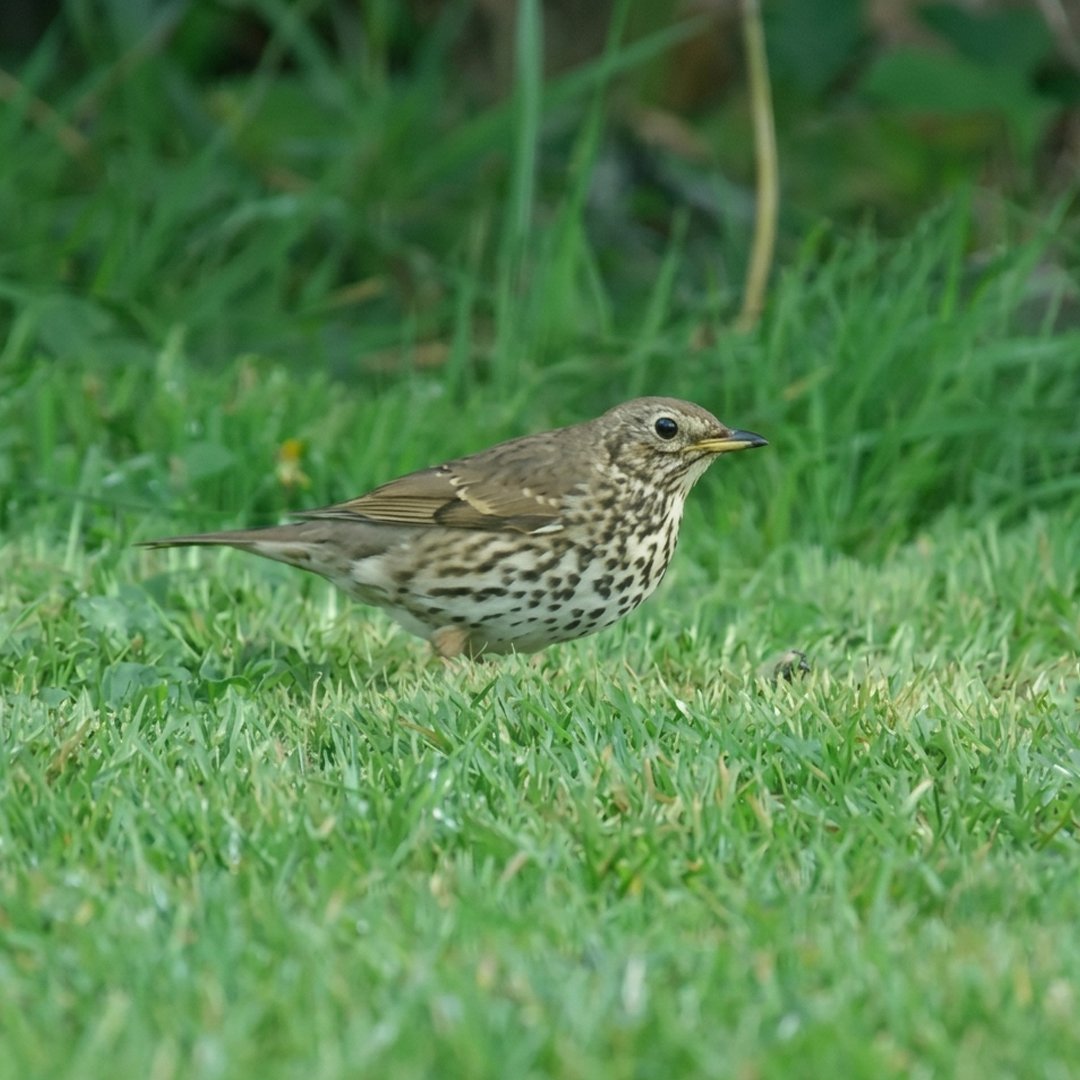
Song Thrush
Irish name: Smólach Ceoil
The Song Thrush is known for its attractive song and its habit of feeding on lawns and open ground.
Look for: Warm brown upperparts and pale underside covered with dark spots.
Food: Earthworms, insects, snails, berries and fruit.
Garden Tip: Keep some natural areas around your garden where birds can search for food.
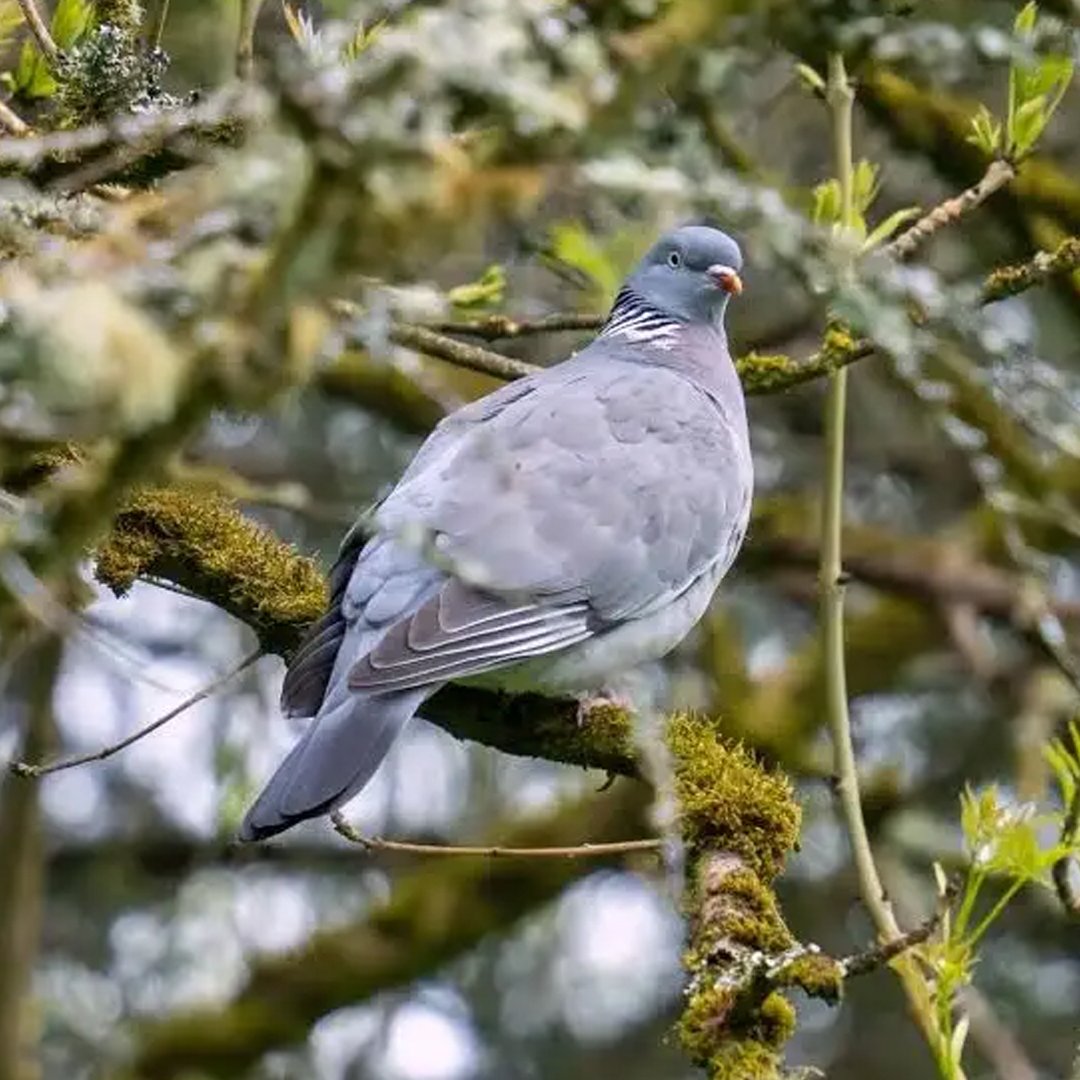
Woodpigeon
Irish name: Colm Coille
Woodpigeons are widespread across Ireland and are commonly seen in gardens, parks, woodland and farmland.
Look for: Large size, grey body, white neck markings and white wing patches.
Food: Plant material, seeds, leaves and crops.
Garden Tip: Their size and gentle movements make them one of the easiest garden birds to recognise.
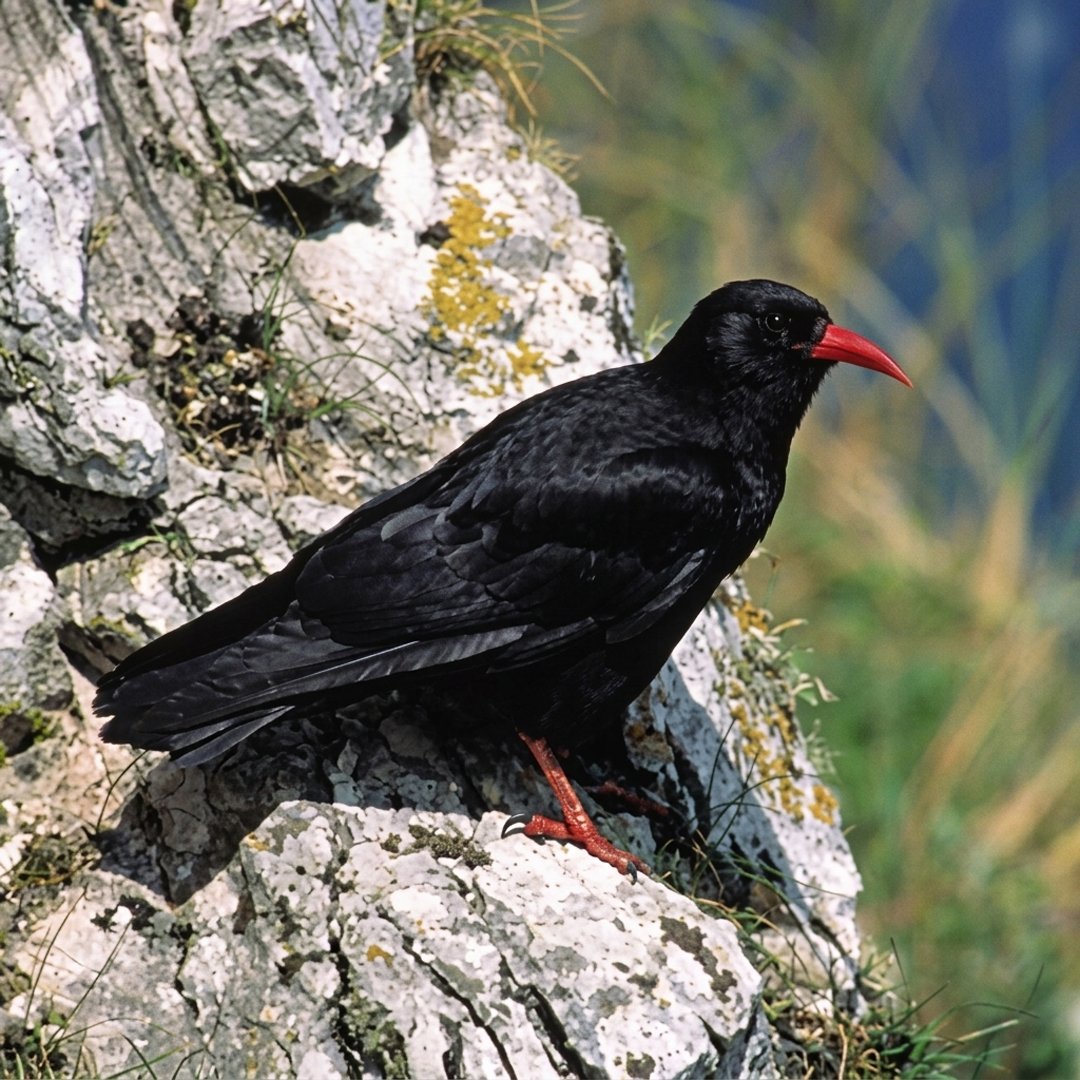
Jackdaw
Irish name: Cág
A small member of the crow family, the Jackdaw is commonly seen in towns, villages and rural areas.
Look for: Black body, pale grey-silver nape and distinctive pale eyes.
Food: Insects, seeds, fruit and a variety of available food.
Garden Tip: Jackdaws are adaptable and often live close to people.
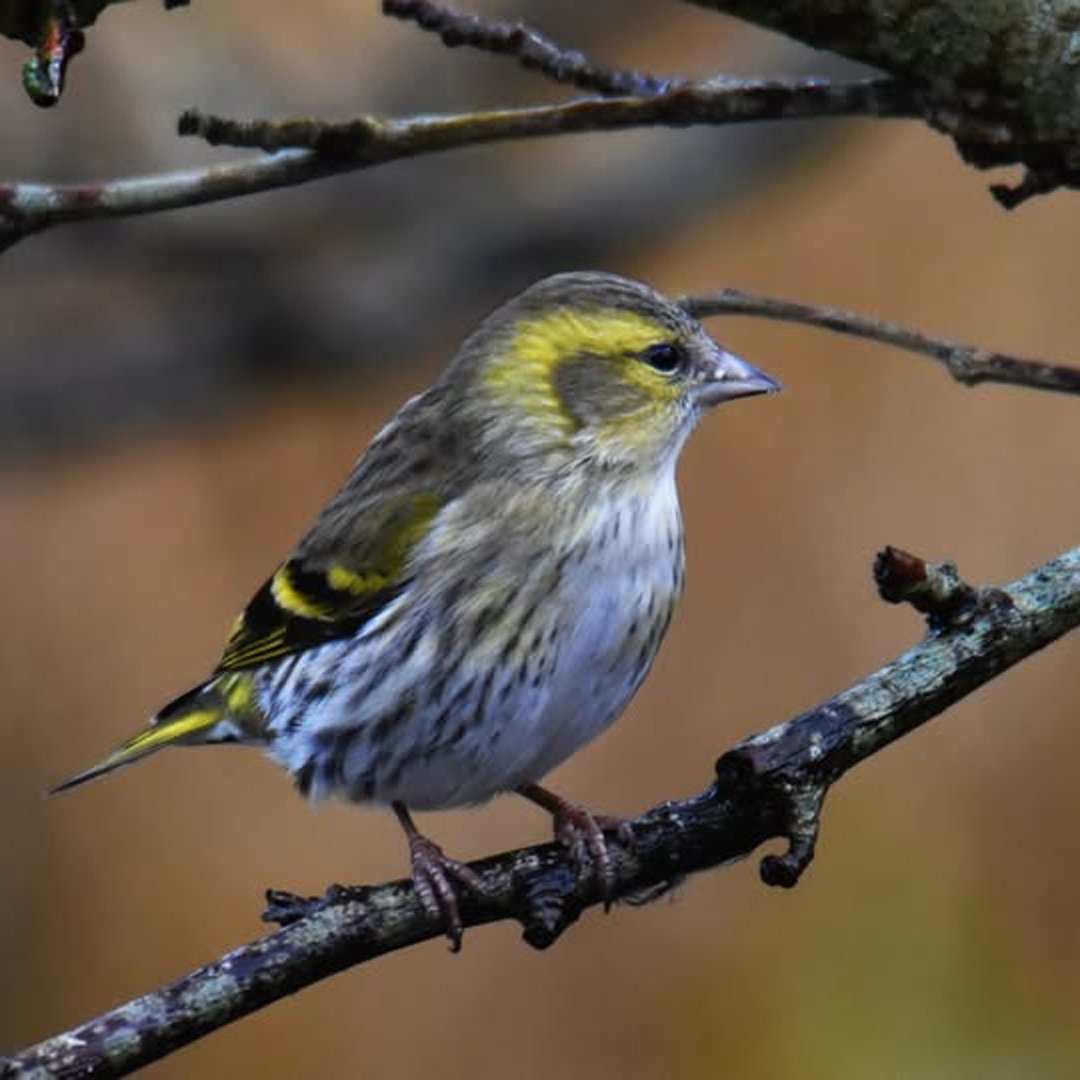
Siskin
Irish name: Píobaire
The Siskin is a small finch associated particularly with coniferous woodland. It can become a regular garden visitor during winter.
Look for: Small size, yellow-green colouring and dark cap on males.
Food: Seeds, particularly from birch and alder, as well as suitable feeder foods.
Garden Tip: Siskins can be surprisingly agile and may feed upside down on suitable feeders.
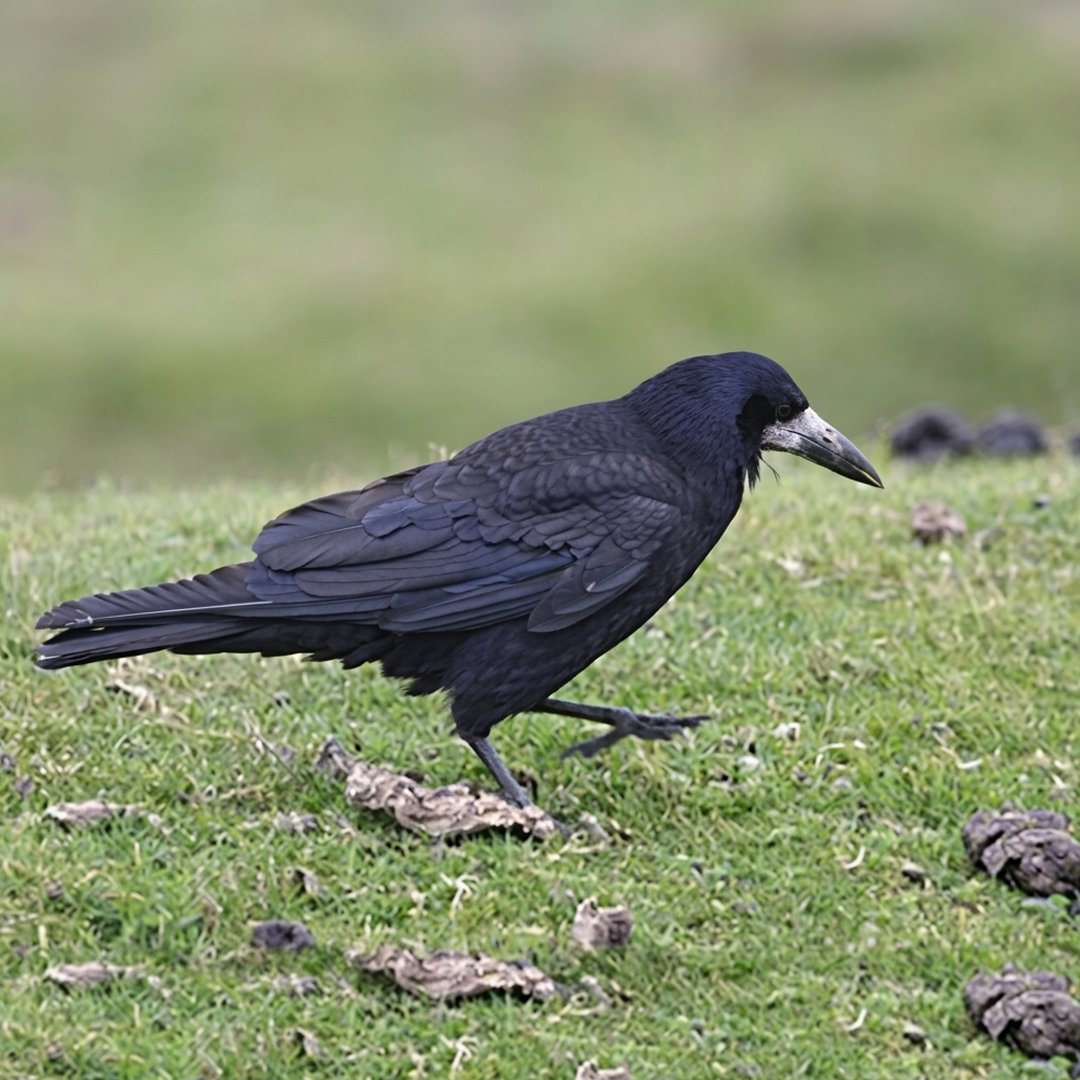
Rook
Irish name: Rúcach / Préachán
Rooks are familiar countryside birds and are particularly associated with farmland and tall trees where they gather in breeding colonies.
Look for: Large black crow-like bird with a distinctive pale area around the base of the bill in adults.
Food: A wide variety of natural foods including insects and plant material.
Garden Tip: Rooks are more strongly associated with rural landscapes than smaller garden birds.
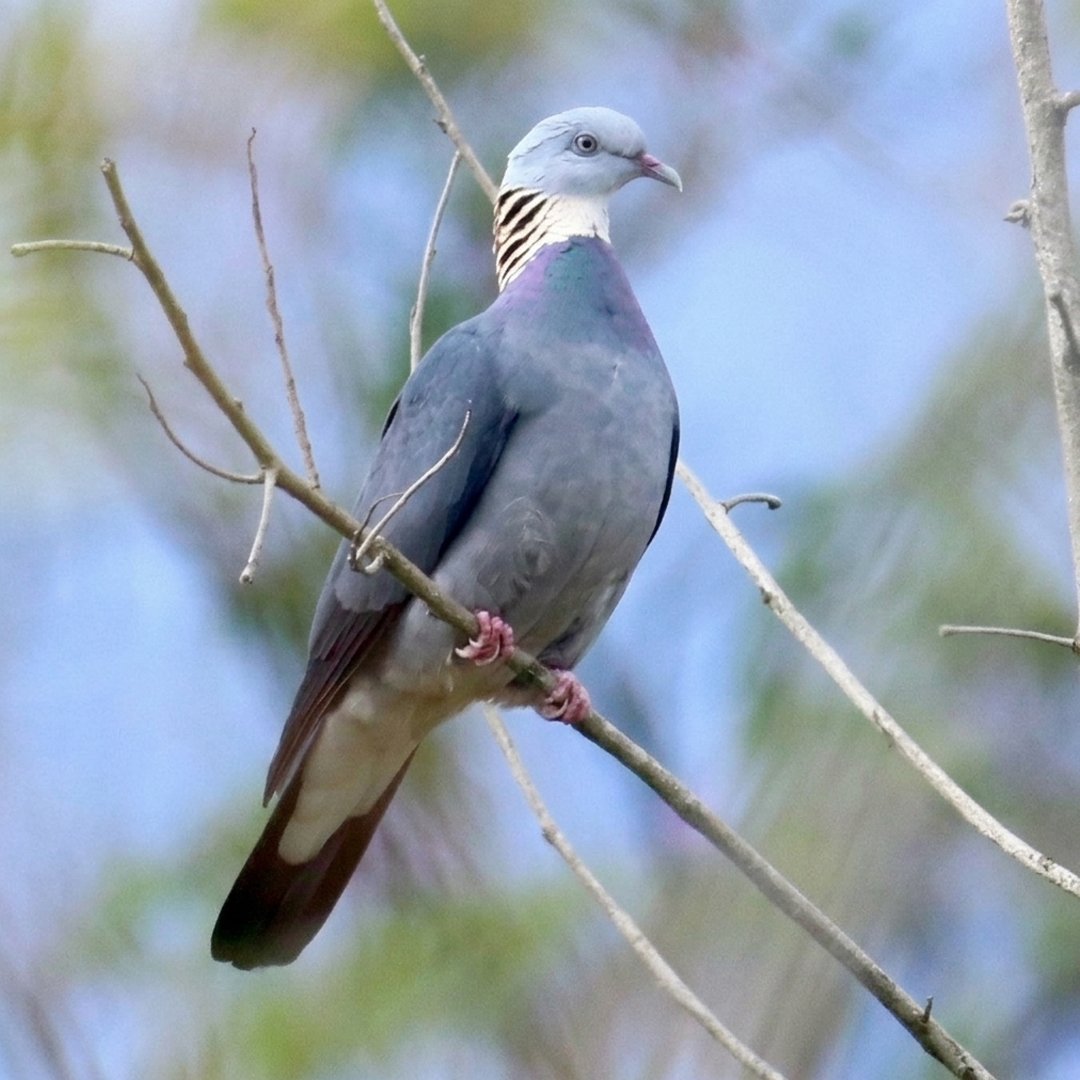
Blackcap
Irish name: Caipín Dubh
The Blackcap is a beautiful songbird that can be difficult to spot among vegetation, but its song can reveal its presence.
Look for: Males have a black cap, while females have a warm brown cap.
Food: Insects, seeds, berries and fruit.
Garden Tip: Berry-producing plants and suitable garden vegetation can provide valuable natural food.
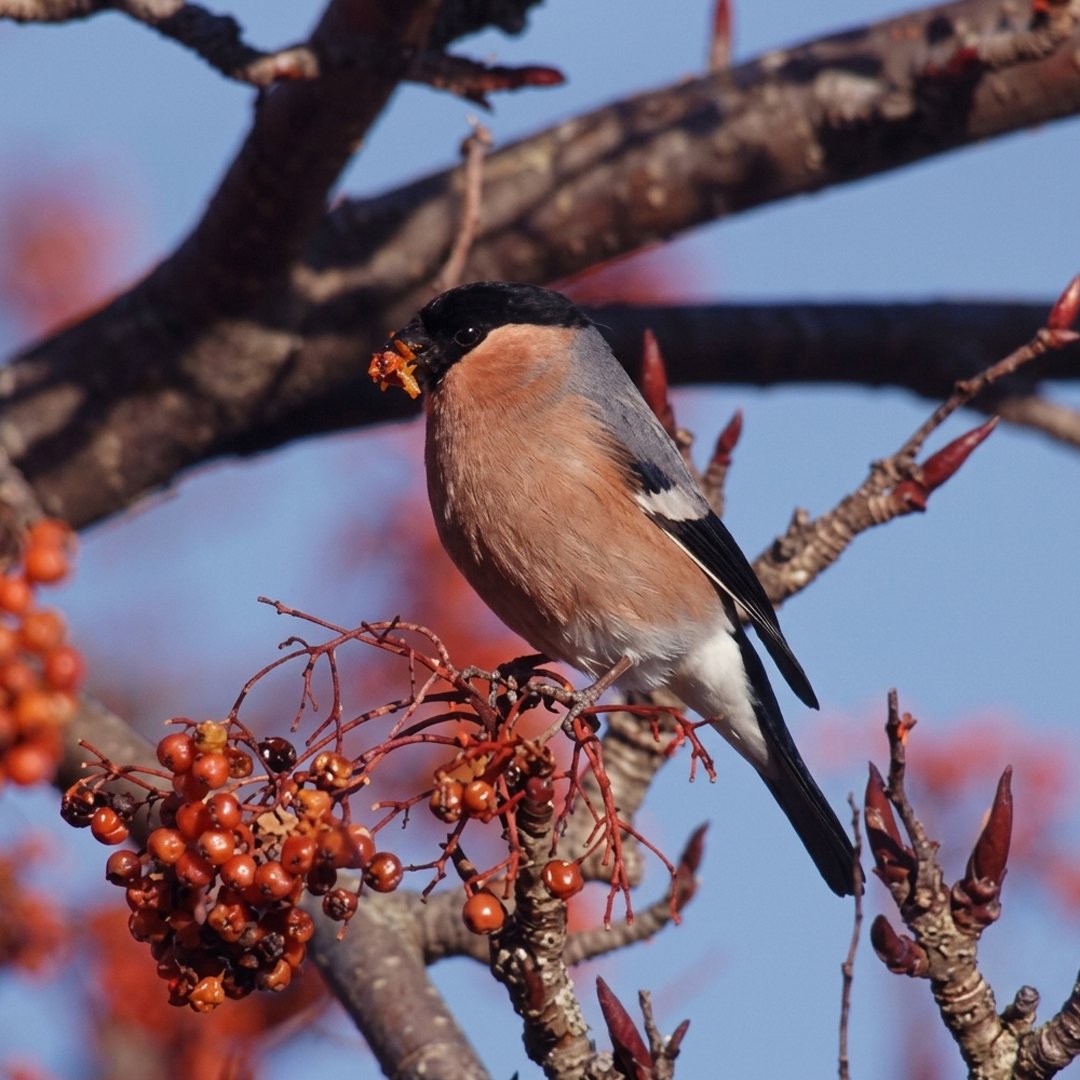
Bullfinch
Irish name: Corcrán Coille
The Bullfinch is a striking, stocky finch that is particularly memorable for the vivid colouring of the male.
Look for: Male has a bright pink-red breast, black cap and pale grey back.
Food: Buds, berries and fruit, with insects also important for young birds.
Garden Tip: Natural vegetation, shrubs and fruiting plants can provide useful food and shelter.

Products We Know
We test our food blends in our own garden and select products with practical use in mind.

50+ Years of Experience
Decades of watching, feeding and caring for wild birds in Irish gardens.

Practical Bird Advice
We share useful information to help you understand and support the birds around you.

Ireland-Wide Delivery
Our online shop provides convenient delivery throughout the island of Ireland.